A concrete setting beats an abstract one
Strong
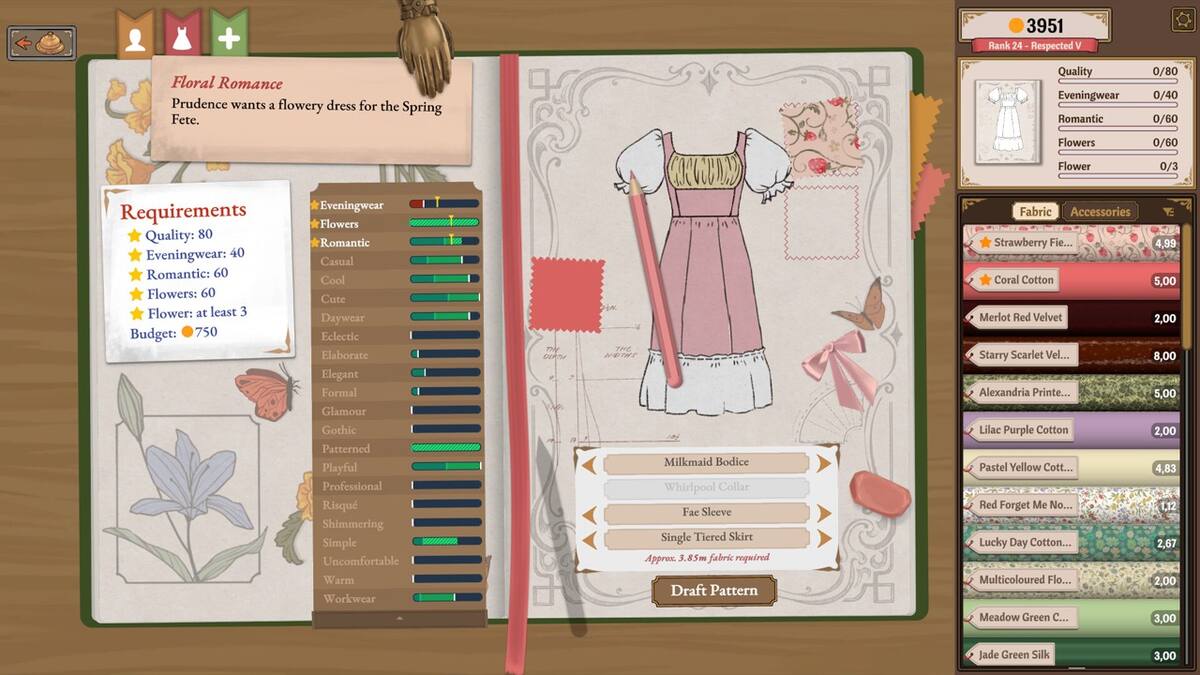
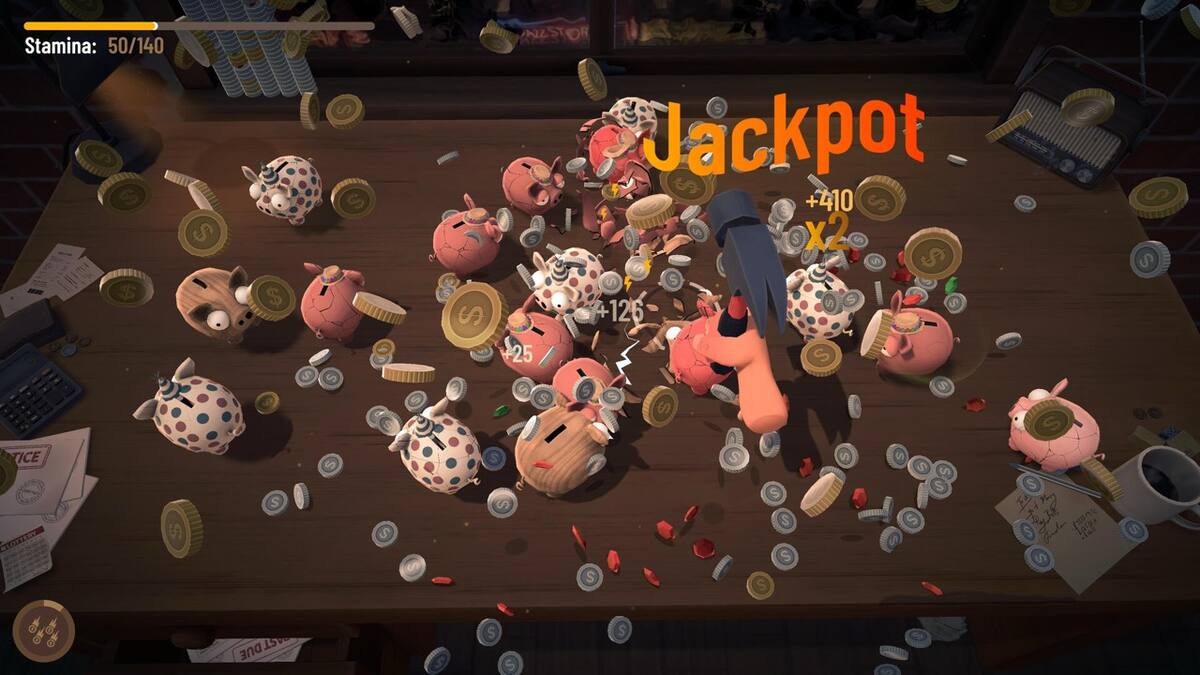
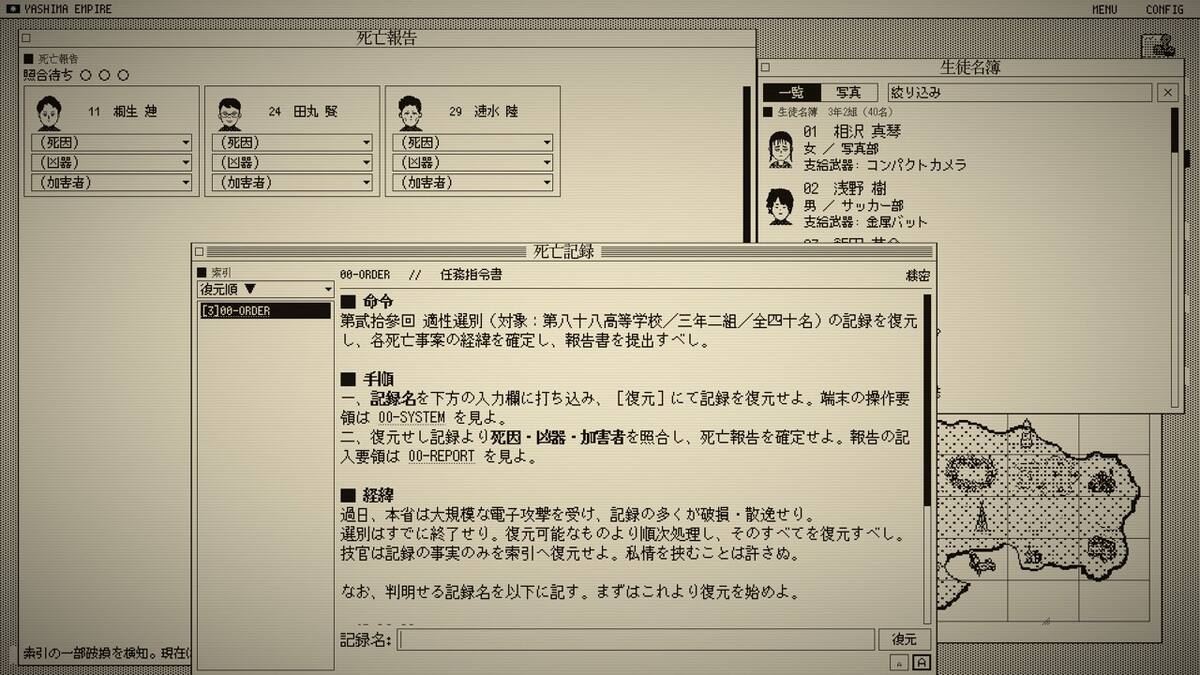
Coding the themes of 718 sampled games shows the clearest pattern this week. Games with an abstract or setting-less presentation make up about 18% of releases but hit only 3.0% of the time (lift 0.44). Retail shops (20.5%), historical settings (14.3%), dungeons, and military simulation all over-perform. The same holds for loops: job simulation hits 16% of the time and puzzle hits 2.5%. Tone matters too. Cozy, mysterious, and melancholy games over-perform. Competitive, meditative, and "wholesome" games sit well under average.
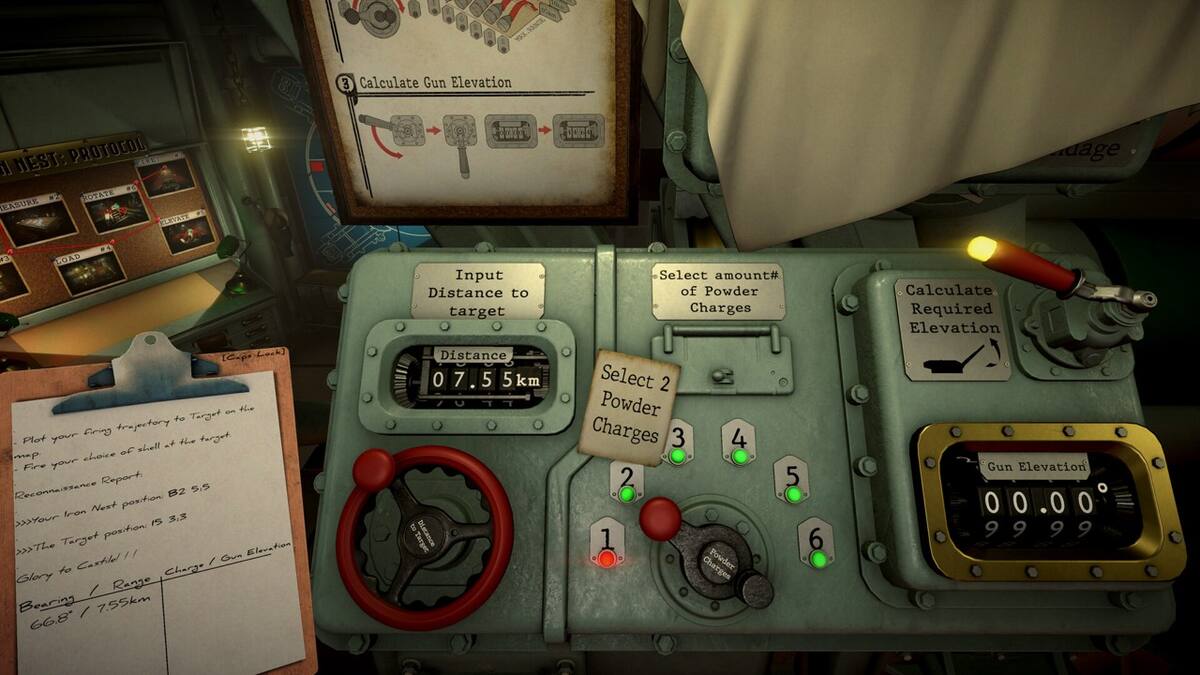
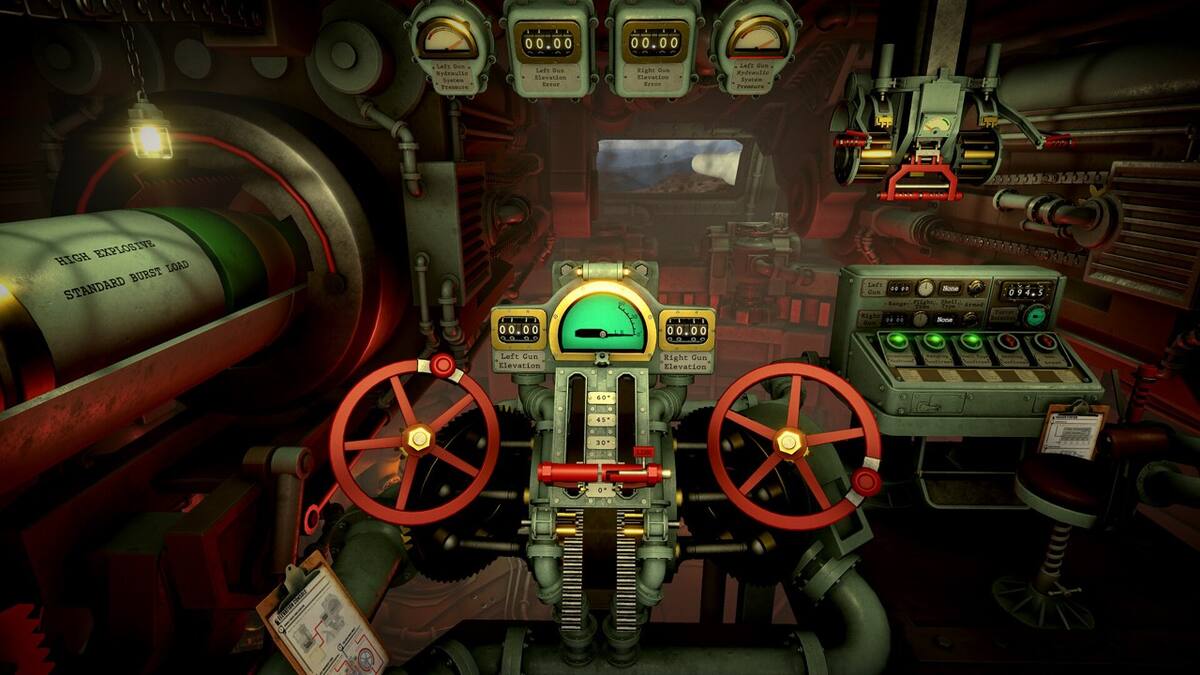
For developersyou should be able to say the player's role in five words, and it should be a role people already understand. "Crew a giant artillery gun" (IRON NEST, 14k reviews) sells. "Rotate shapes to clear the grid" doesn't, however good the mechanic.
Real-time mastery genres are oversupplied
Strong
Precision Platformer: 106 releases, 1 hit. Bullet Hell: 190 releases, 5 hits. Score Attack: 134 releases, 4 hits. Arcade: 637 releases, 22 hits. Theme coding agrees: score-attack and bullet-hell loops hit about 2% of the time, platforming 4.1%, movement mastery 6.6%. These are the cheapest genres to make and the easiest to enter, so supply has swamped demand.
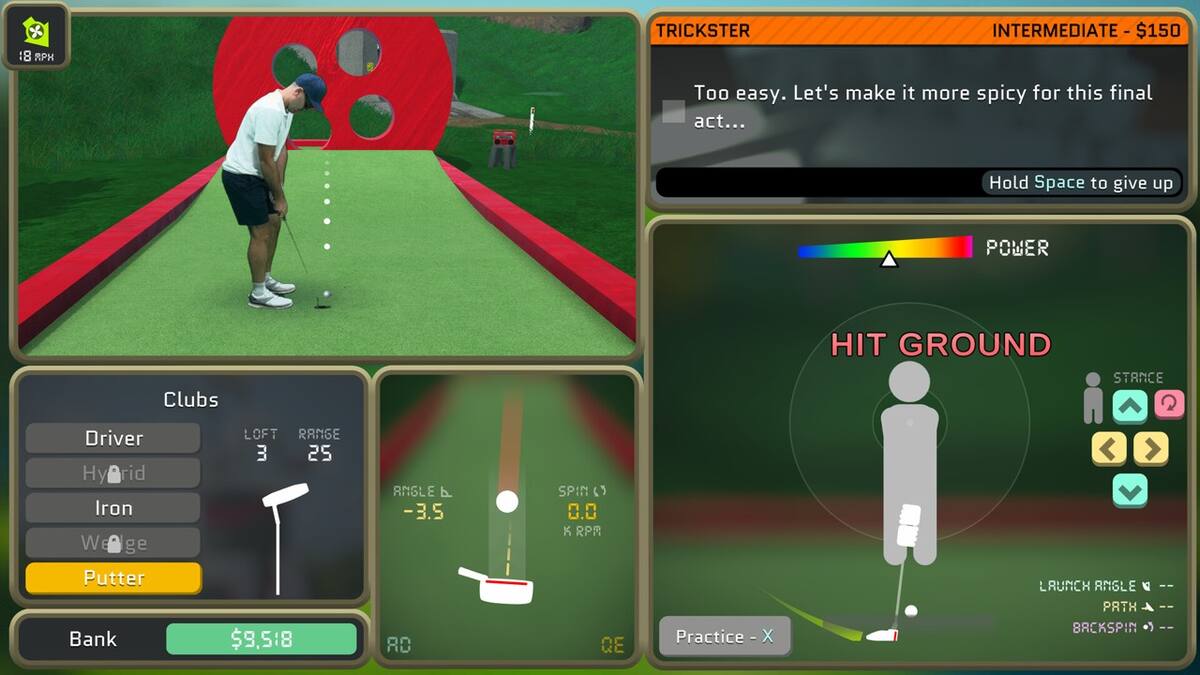
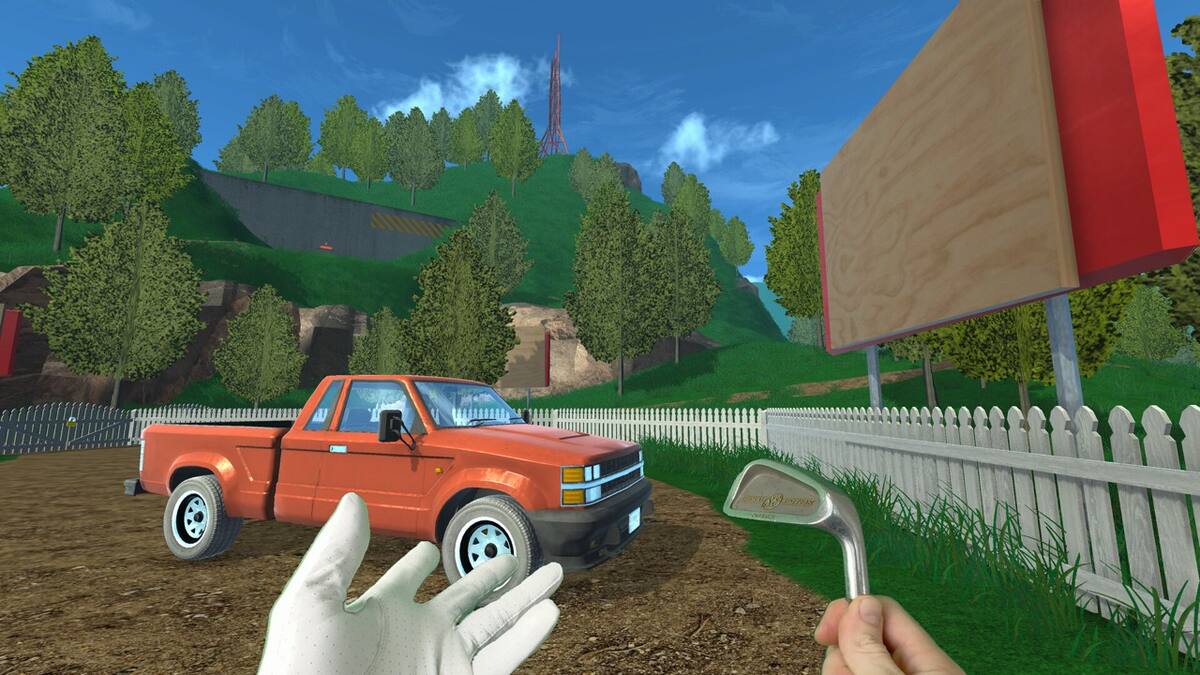
For developersmastery alone isn't a pitch. The mastery games that worked this quarter added a wrapper: a real activity (Normal Golf Game), a boss-only structure that keeps content small (Rubinite, 94%, 4.1k reviews), a mood and setting (VHOLUME, 3.5k), or player-made levels (Happy Wheels; Geometry Dash is still #15 on Steam's global most-played chart).
Cheap doesn't de-risk
Moderate
More than half the cohort (2,286 games) launched under $5, and only 2.6% of them reached 100 reviews. Hit rates climb steadily with price: 9.1% at $5–9.99, 17.8% at $10–14.99, 26.5% at $15–19.99. Games with a publisher hit 15.9% of the time against 5.5% self-published. Early Access made no difference (7.4% vs 6.9%).
For developersmost of this is selection (cheap often signals low effort), so raising your price won't create sales. But pricing a small, polished game at $2.99 to play it safe puts it in the worst-performing pool. $7.99–14.99 is where this week's small-scope hits sit.
Short incrementals are the volume engine, and fatigue is showing
Moderate
Incremental games produced more hits than any other loop (45 of 407 releases, 11%). The format is now a template: "A short incremental game about…" appears in dozens of store descriptions. But reviews are turning: "just like the 6 other incrementals that come out every day" and "maybe incremental fatigue is starting to kick in" are among the top negative reviews of Bills Must Be Paid. Another 32 incrementals sit in the top 300 of Popular Upcoming.
For developersthe window is still open, but a generic numbers-go-up game is now the median. Differentiate with a strong premise and with skill that actually matters. Players' most common complaint is that their choices and execution don't change the outcome.
Friend-group co-op is the strongest multiplier
Strong
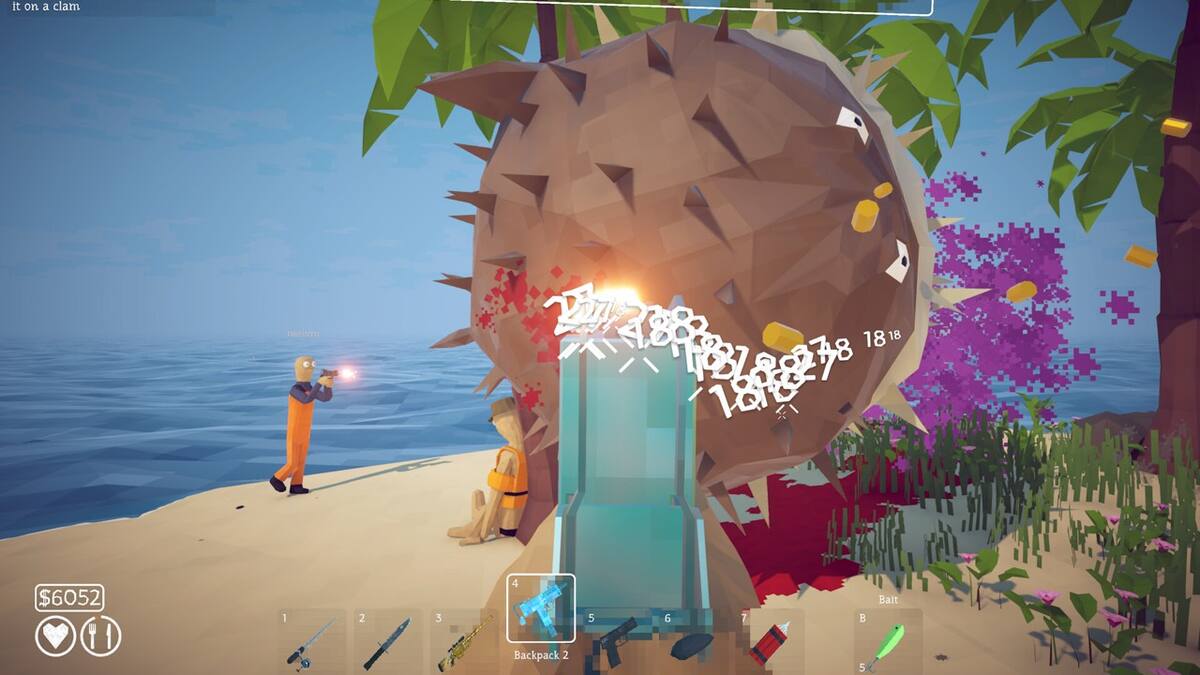
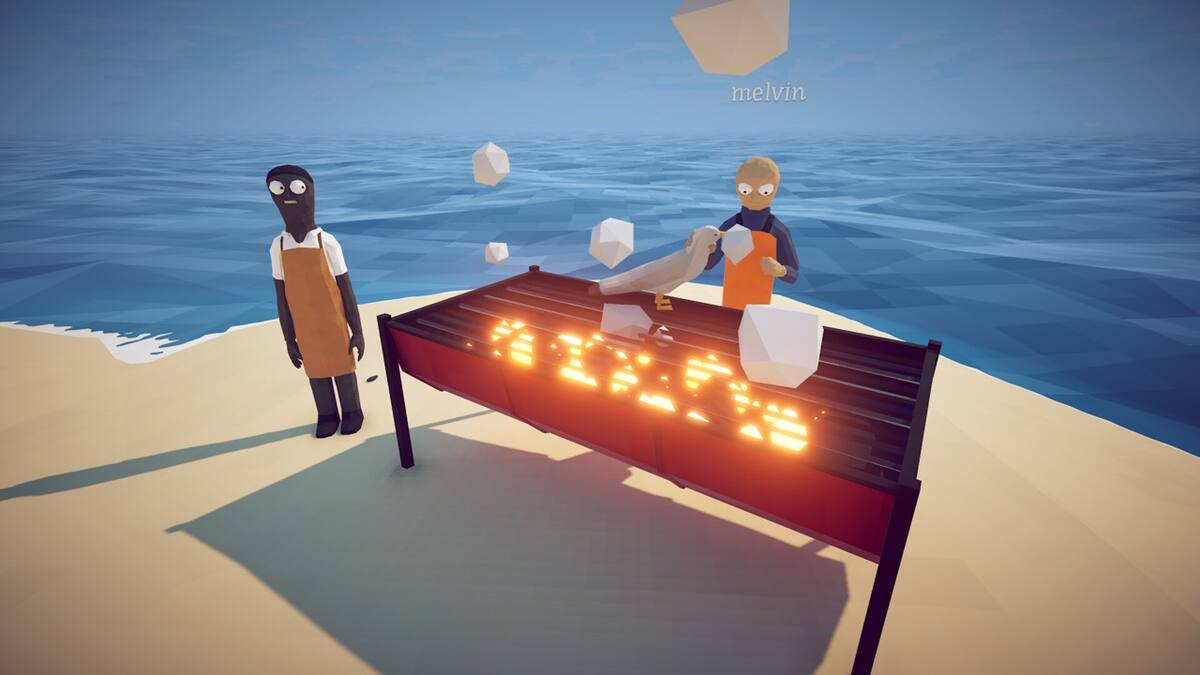
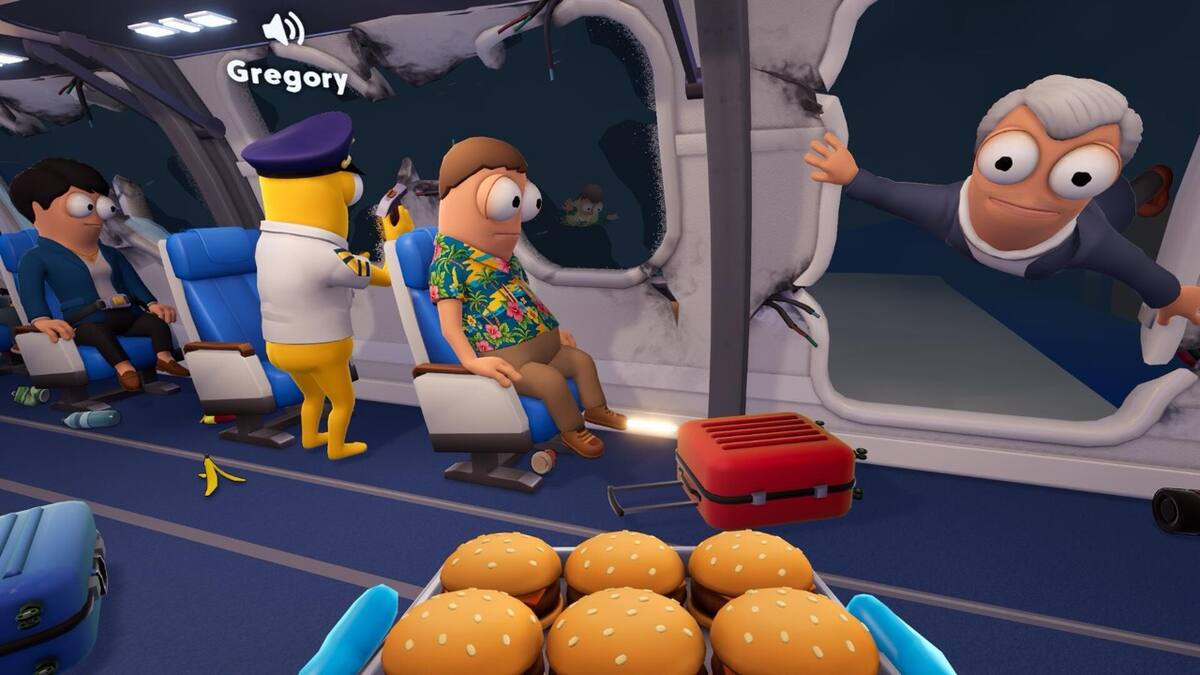
Online co-op games hit 19.8% of the time (2.9× average); PvP sits at 3.9%. This week's shift in review activity toward co-op (+9.5 points), first-person, fishing, and physics is mostly one game, How to Fish. The pipeline says the trend has room to run: Dear Passengers, a co-op "world's worst airline" game, has 96k followers and its studio claims 2 million wishlists.
For developersco-op multiplies word of mouth because every buyer recruits friends. It also multiplies the bug surface. Multiplayer bugs and griefing are the top complaints in How to Fish's negative reviews.